Assessing the impacts of management and environmental change on Masonboro Island
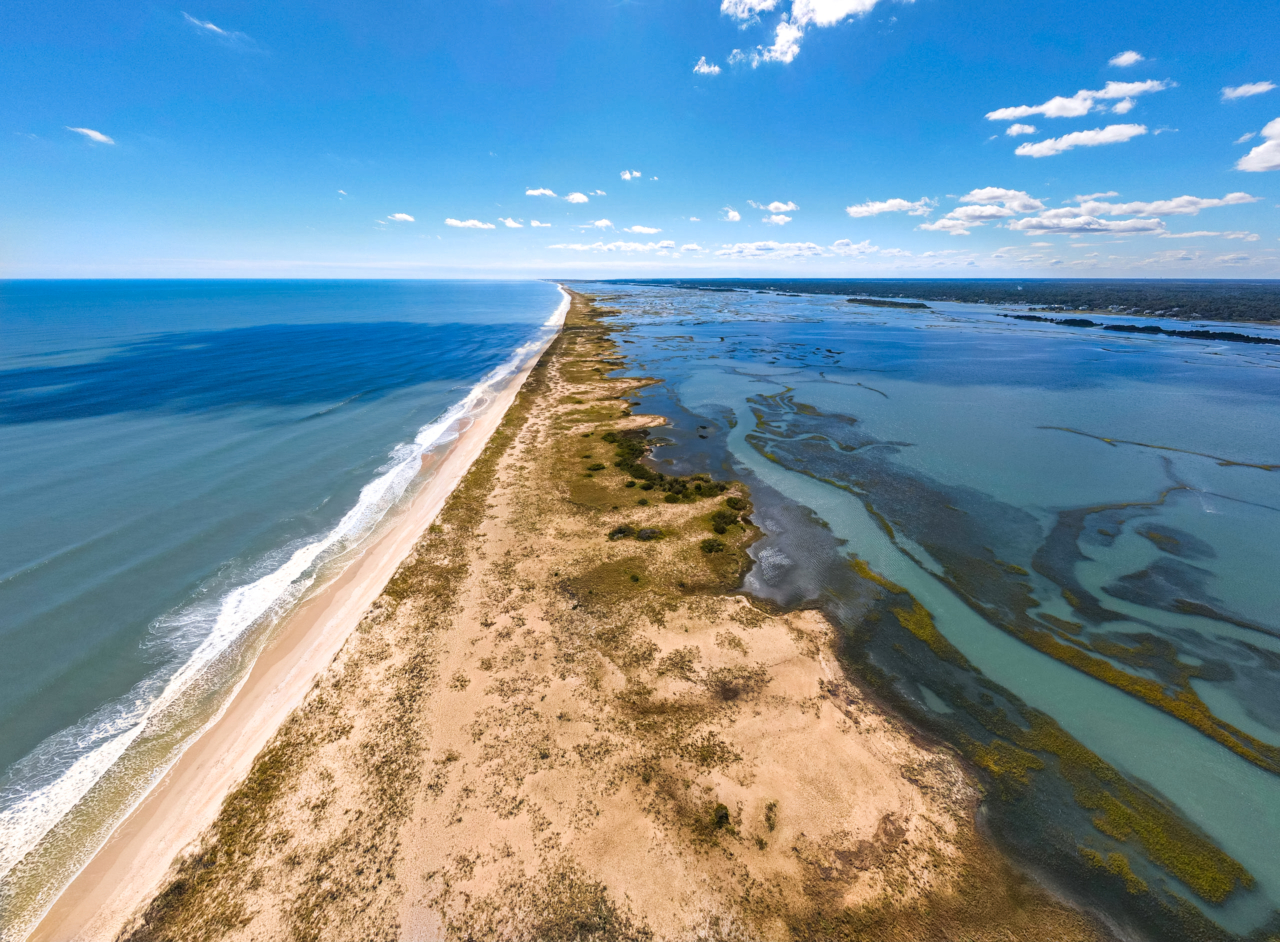
photo courtesy of NC DEQ
The primary goal of this work, which is funded by the NC Department of Environmental Quality, is to provide natural resources managers with an assessment of how short-term management decisions might impact future landscape and habitat change. The project team will work together employing co-production to ensure that the management scenarios and environmental conditions modeled and timescales considered are those of greatest relevance to the reserve managers and stakeholders who have the greatest interest in the future of Masonboro Island.
Given rapidly rising sea level and future anticipated changes in hurricane activity, barrier island coastlines around the world will begin to look vastly different only decades from now. There is an urgent need to develop new ways for natural resource managers to evaluate the effects of near-term decisions on the long-term, decadal resilience of the ecosystems they manage. Undertaking such an analysis is critical because decisions made to solve problems in the short-term can inadvertently limit barrier island function in the long-term. Additionally, meeting conservation goals and planning for potentially shifting conservation targets requires an understanding of likely future island and habitat change.
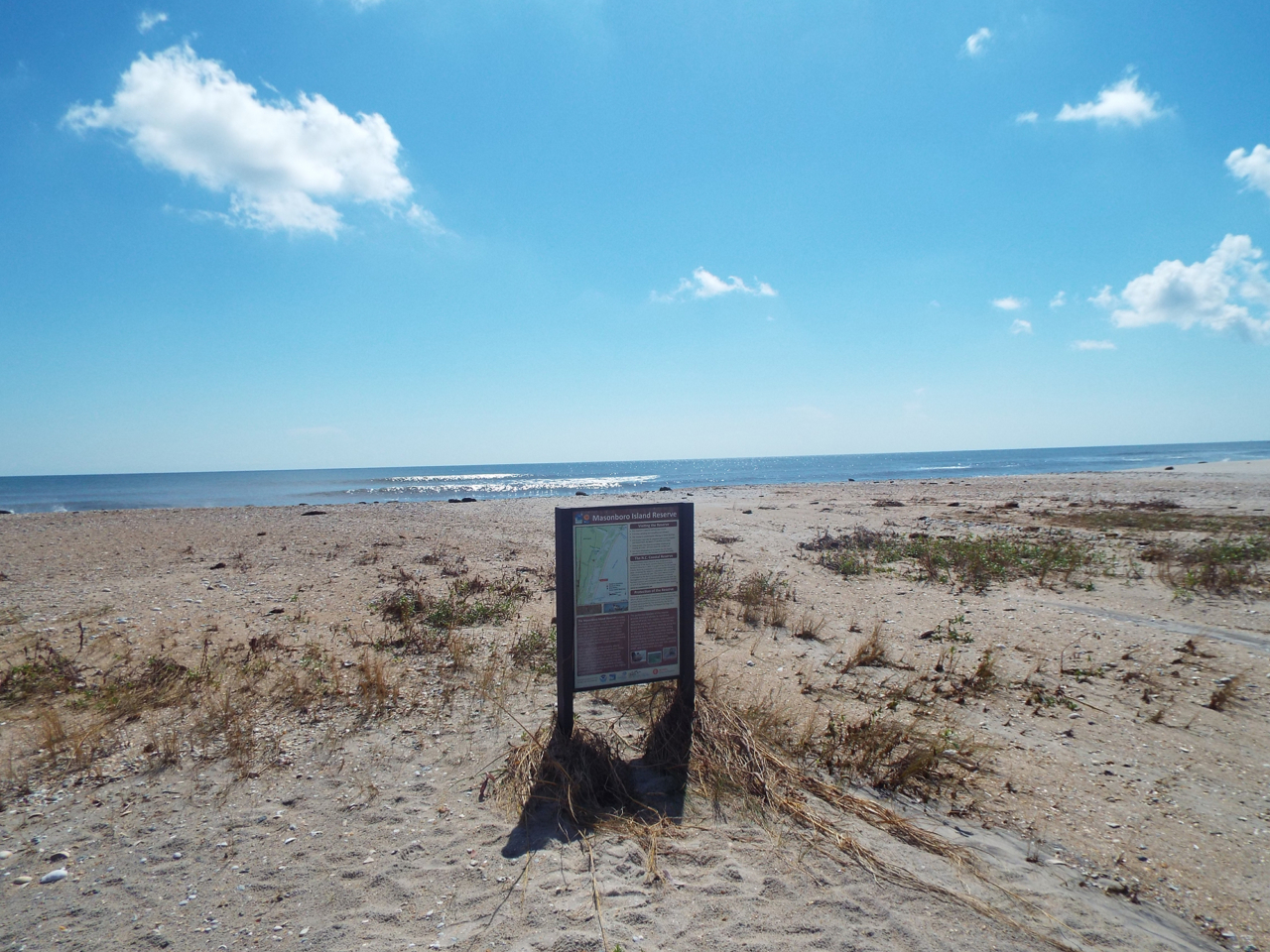
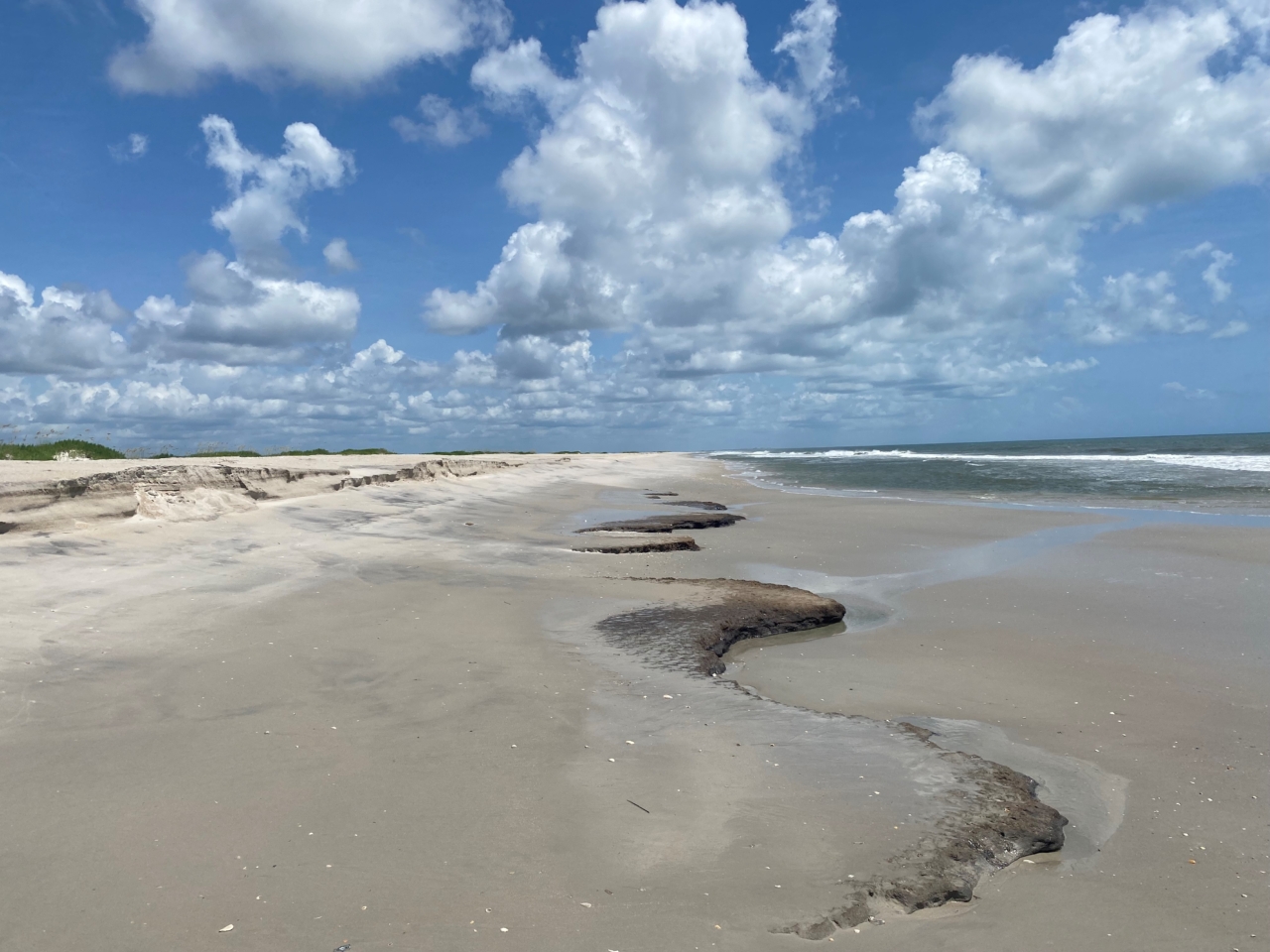
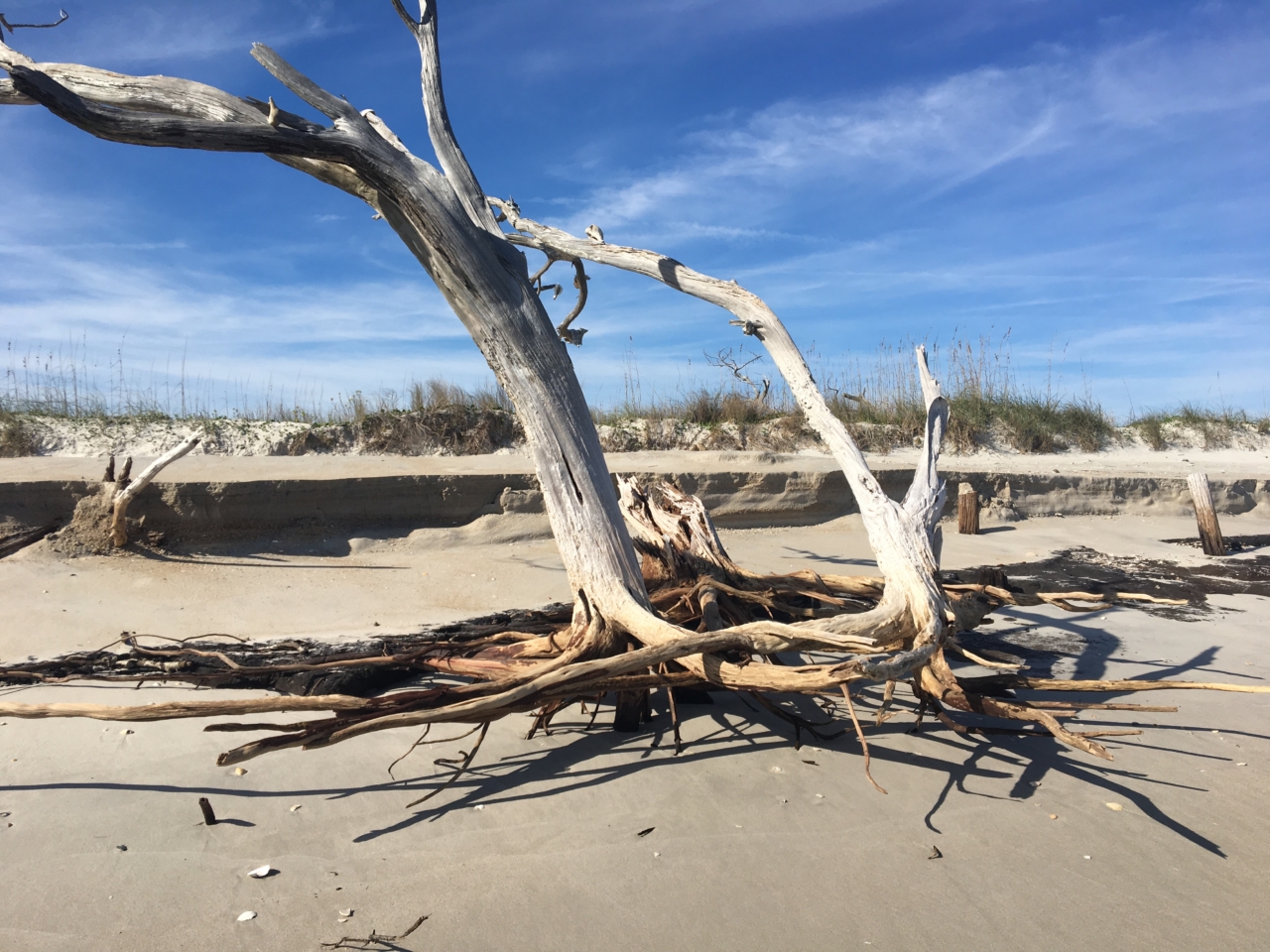
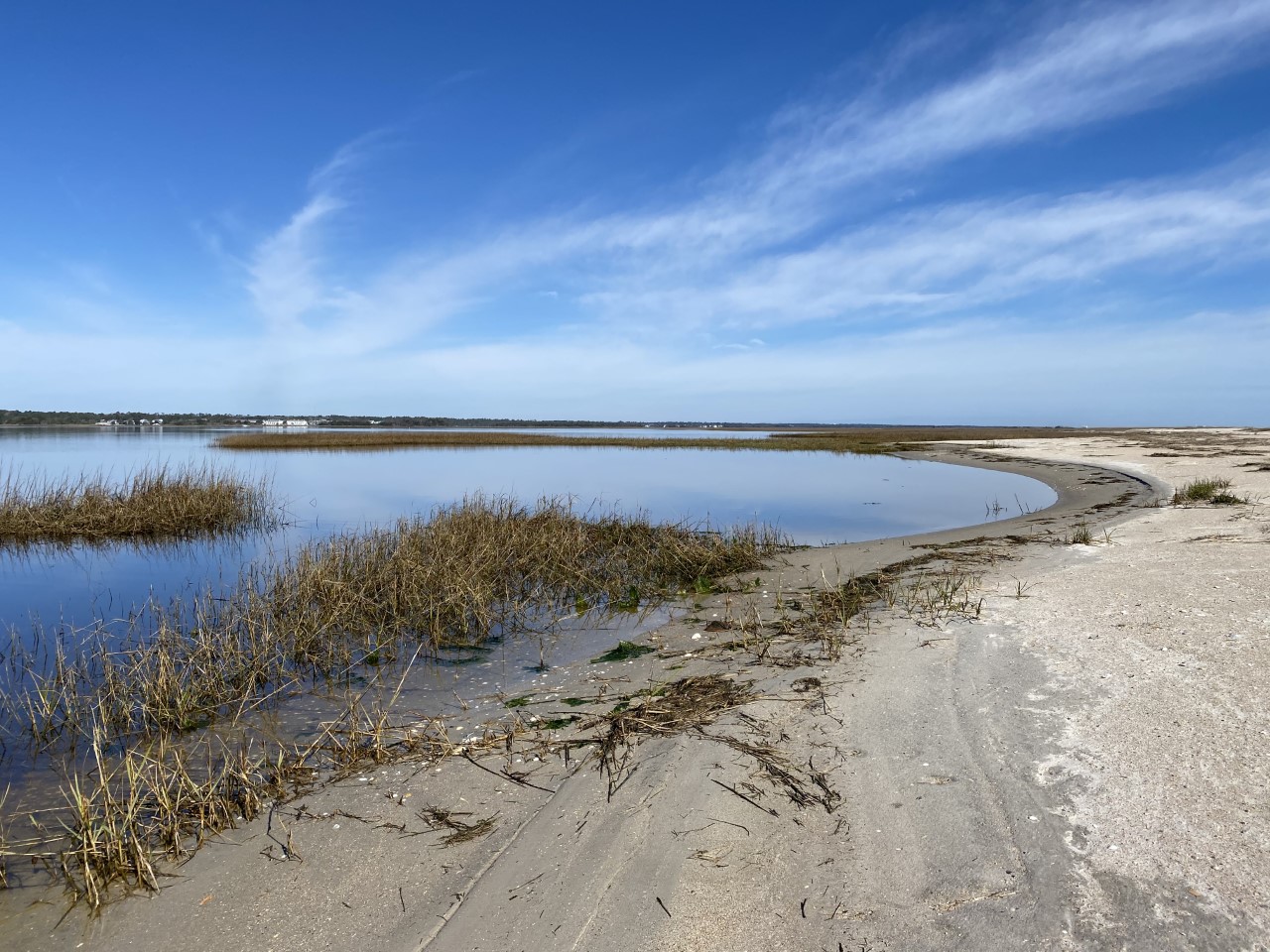
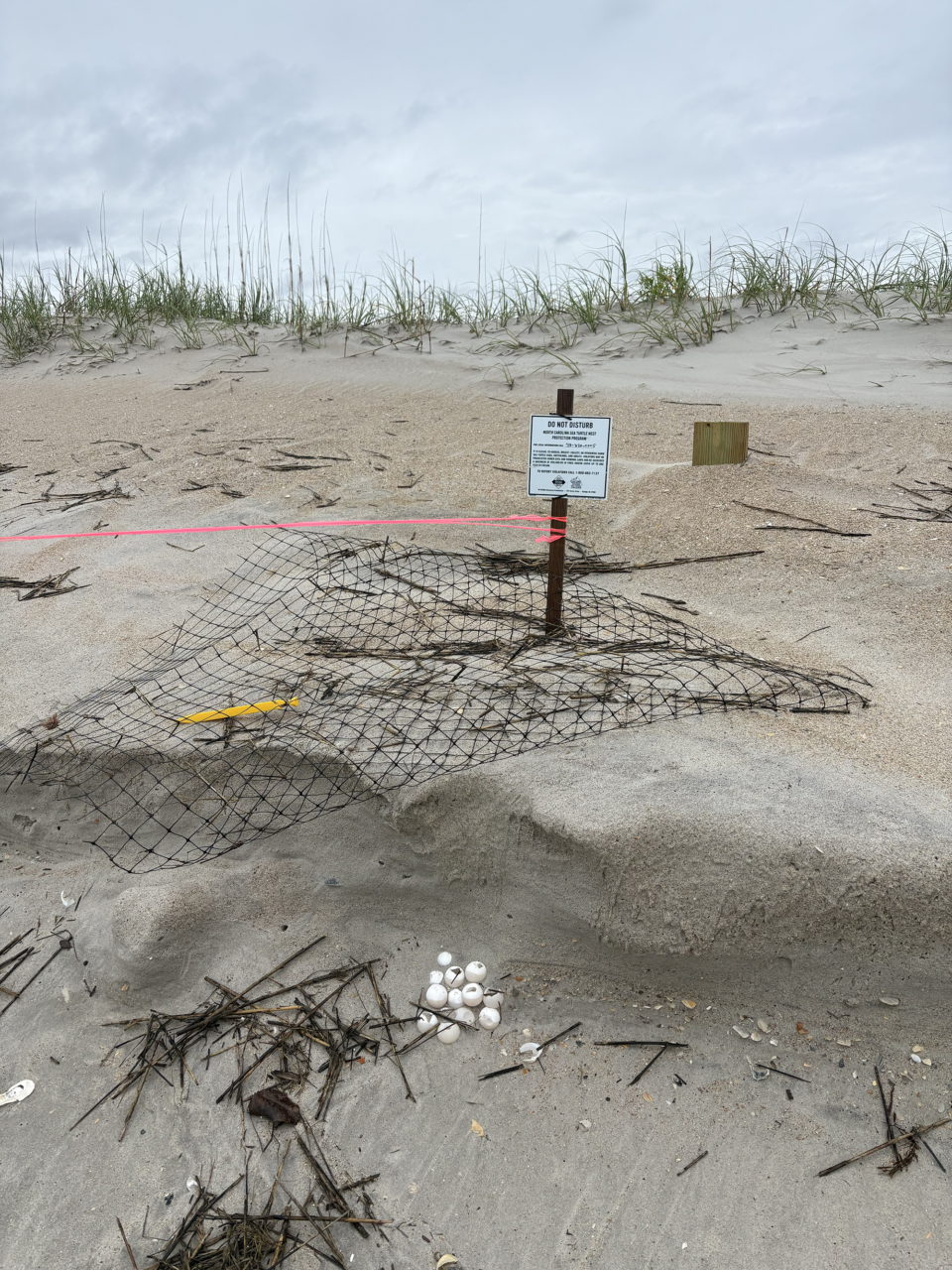
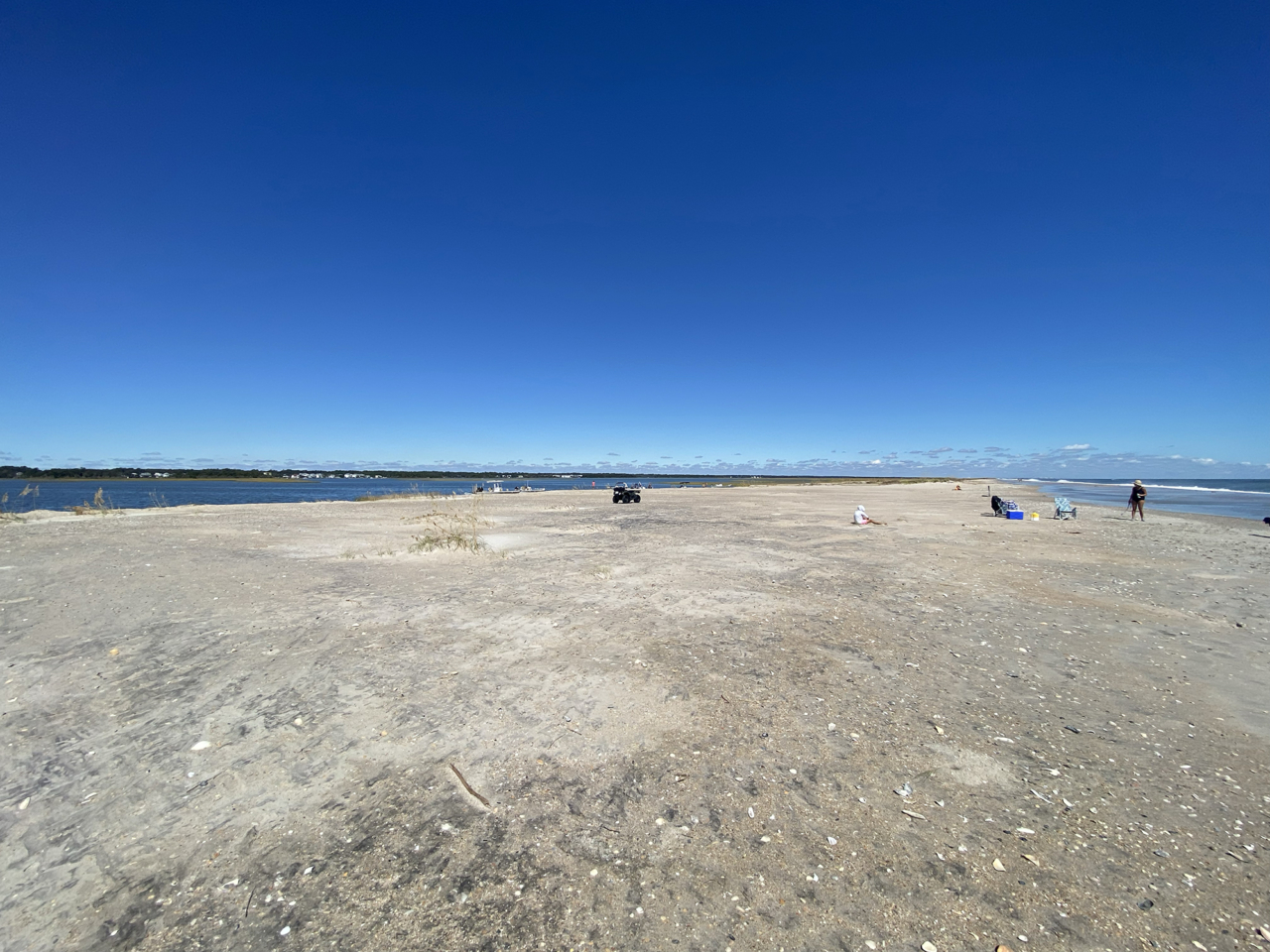
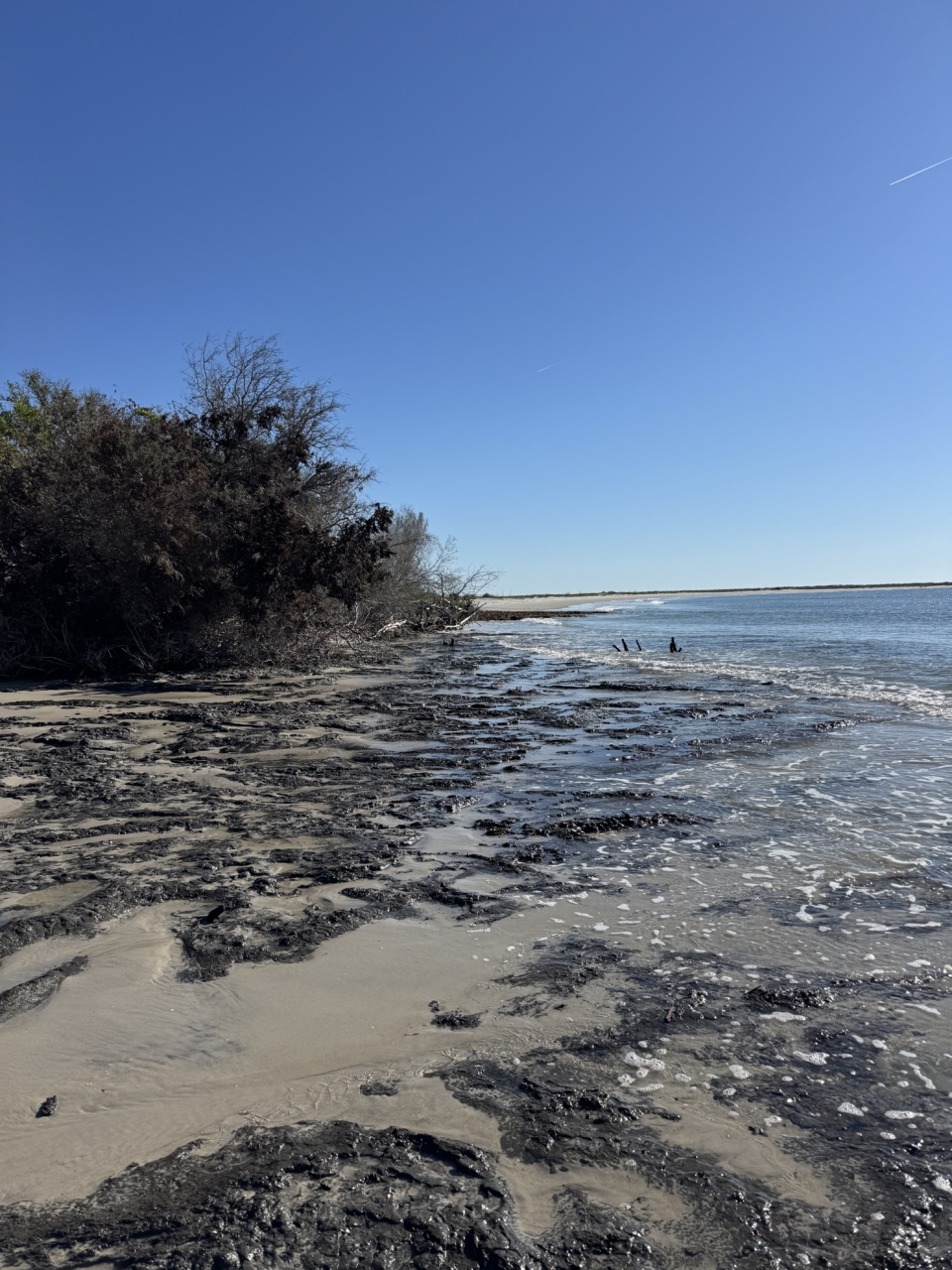
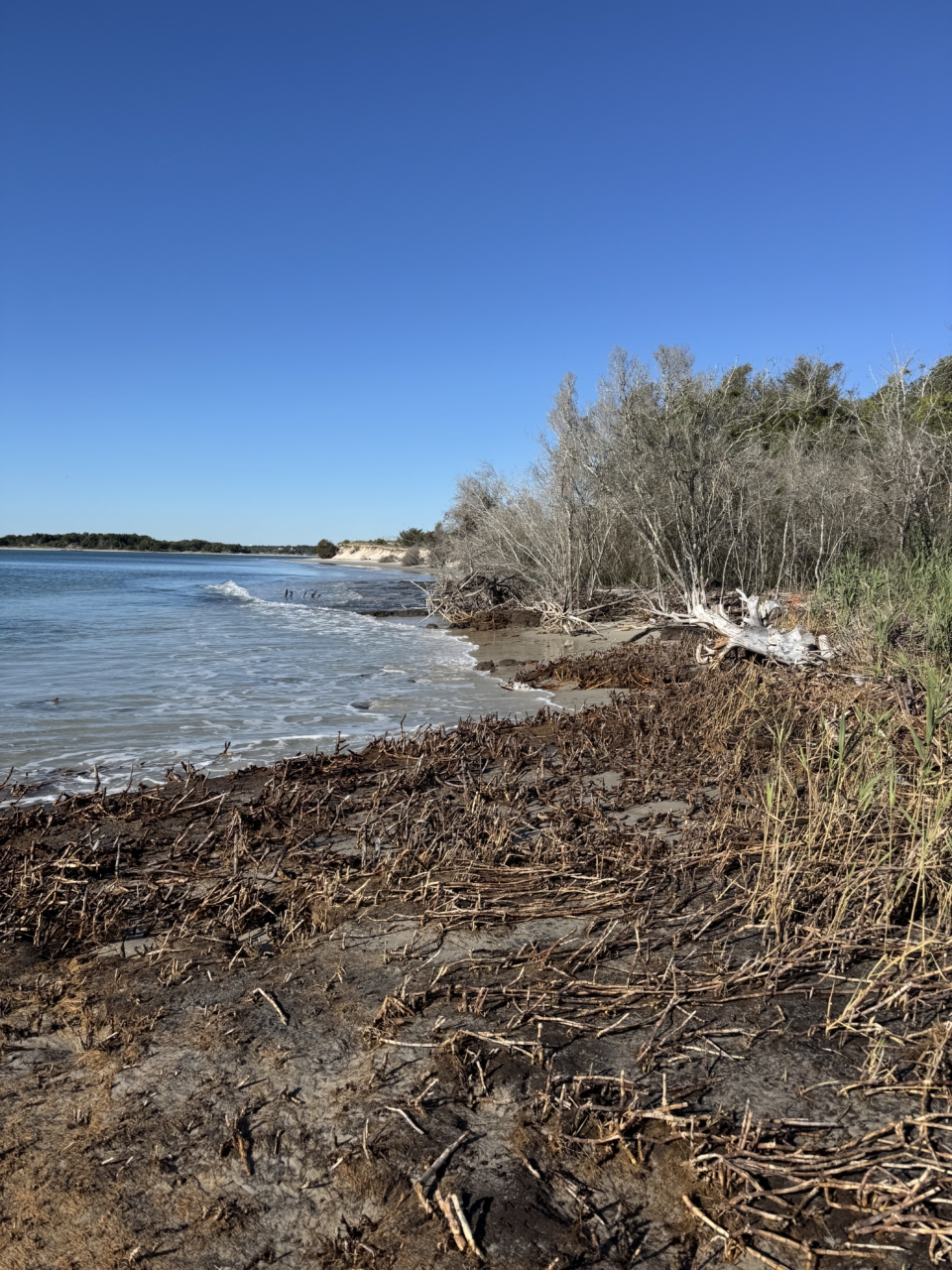
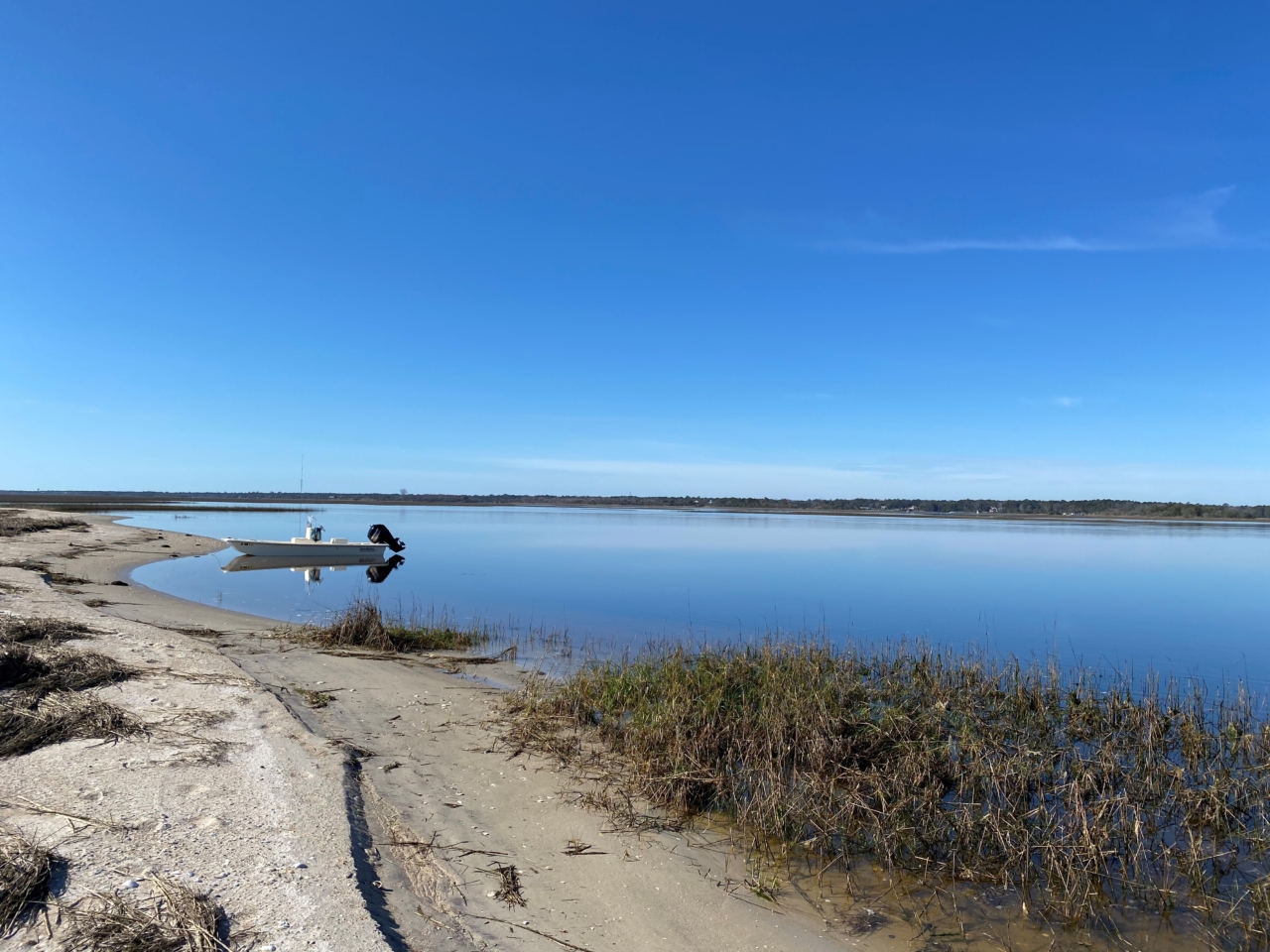
Masonboro Island Reserve is an undeveloped, natural barrier island. It is a component of the NC Coastal Reserve and National Estuarine Research Reserve and managed by the NC Division of Coastal Management. As a Dedicated Nature Preserve, it is home to many threatened species. The island is also open to the public and allows visitors to connect with nature. However, the Reserve is not entirely free from the effects of coastal management. Barrier islands north and south of the reserve are developed and managed. Additionally, just north of the island, Masonboro Inlet is maintained by two jetties which impact the natural alongshore transport of sand to Masonboro Island. Sediment from Masonboro Inlet is used to nourish both Wrightsville Beach and Masonboro Island (NCNERR, 2008). Although six sediment placements have occurred on Masonboro Island since the jetties were constructed, most of the island is experiencing a sediment deficit (Beckman et al., 2021; Cleary & Marden, 2001). Masonboro Island Reserve serves as an ideal case study to consider how an undeveloped barrier island, which is still subject to management actions and pressures from adjacent islands, will likely respond to different management strategies aimed at allowing the landscape to evolve naturally.
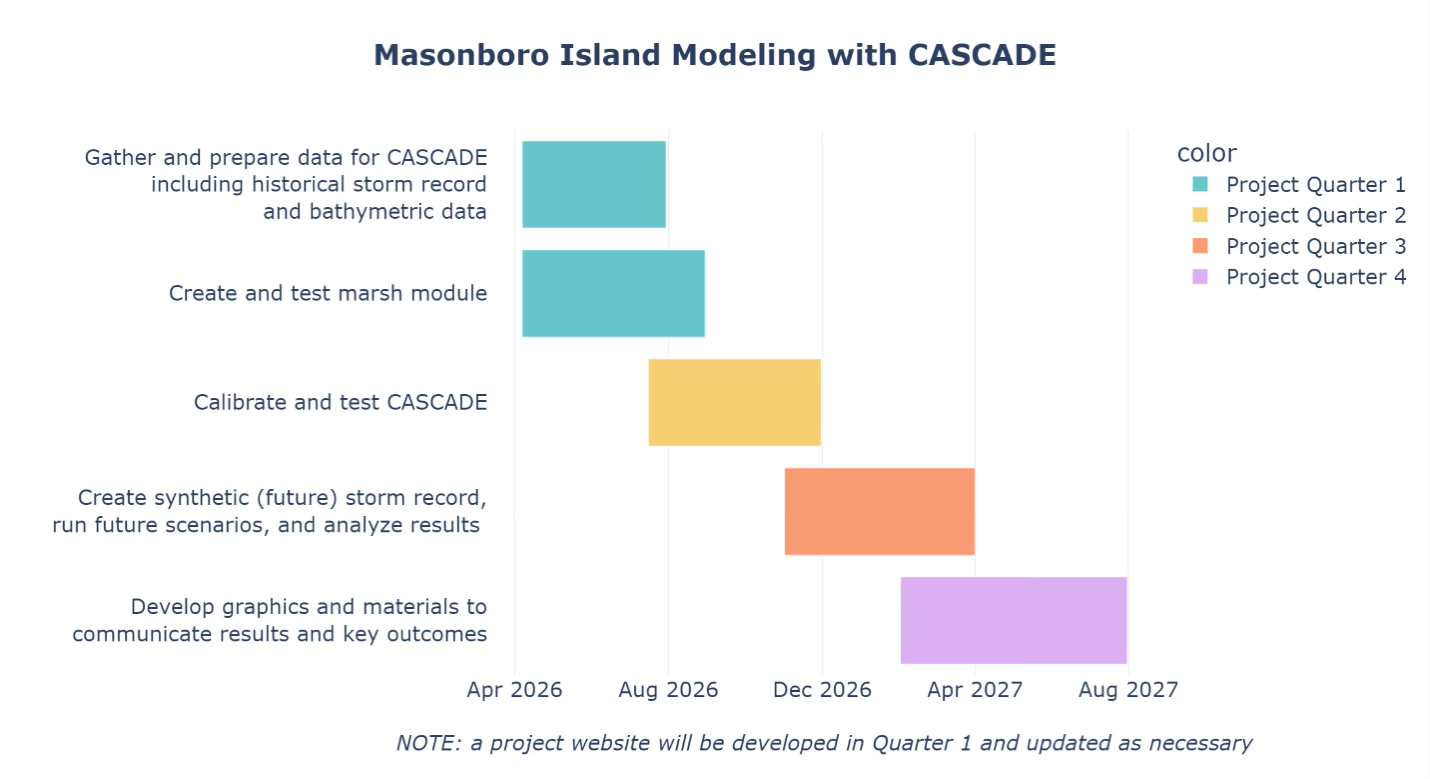
Scientists from the University of North Carolina at Chapel Hill, North Carolina State University, and Duke University will further develop and use the barrier island evolution model, CASCADE, to simulate future landscape and habitat changes of the island-marsh system under different management and environmental change scenarios. The project team includes reserve managers, allowing the team to ensure that modeled scenarios are relevant and useful. The range of scenarios considered will also allow the team to better understand connections between short-term management decisions and the resulting long-term outcomes, advancing the understanding of the interactions between management decisions and natural processes in ways that will not only benefit Masonboro Island, but also the broader NC coast and barrier coastlines globally.
Beckman, J. N., Long, J. W., Hawkes, A. D., Leonard, L. A., & Ghoneim, E. (2021). Investigating Controls on Barrier Island Overwash and Evolution during Extreme Storms. Water, 13(20), 2829. https://doi.org/10.3390/w13202829
Cleary, W. J., & Marden, T. P. (1999). Shifting Shorelines: A Pictorial Atlas Of North Carolina Inlets (Second). https://digital.ncdcr.gov/documents/detail/3690697
North Carolina National Estuarine Research Reserve Staff (NCNERR). (2008). A Comprehensive Site Profile for the North Carolina National Estuarine Research Reserve.
Earth’s Future highlight: https://eos.org/editor-highlights/barrier-islands-are-at-the-forefront-of-climate-change-adaptation
Anarde, K. A., Moore, L. J., Murray, A. B., & Reeves, I. R. B. 2024a. The future of developed barrier systems: 1. Pathways toward uninhabitability, drowning, and rebound. Earth’s Future, 12, e2023EF003672. https://doi.org/10.1029/2023EF003672
Anarde, K. A., Moore, L. J., Murray, A. B., & Reeves, I. R. B. 2024b. The future of developed barrier systems: 2. Alongshore complexities and emergent climate change dynamics. Earth’s Future, 12, e2023EF004200. https://doi.org/10.1029/2023EF004200
Anarde, K. A., Reeves, I. R. B., Hutton, E., Williams, Z., Murray, A. B., & Moore, L. J., 2024c. UNC‐CECL/CASCADE: Release for Earth’s Future Publications: The future of developed barrier systems ‐ Parts I & 2 (Version v1.0.0) [Computer software]. Zenodo. https://doi.org/10.5281/ZENODO.10655831
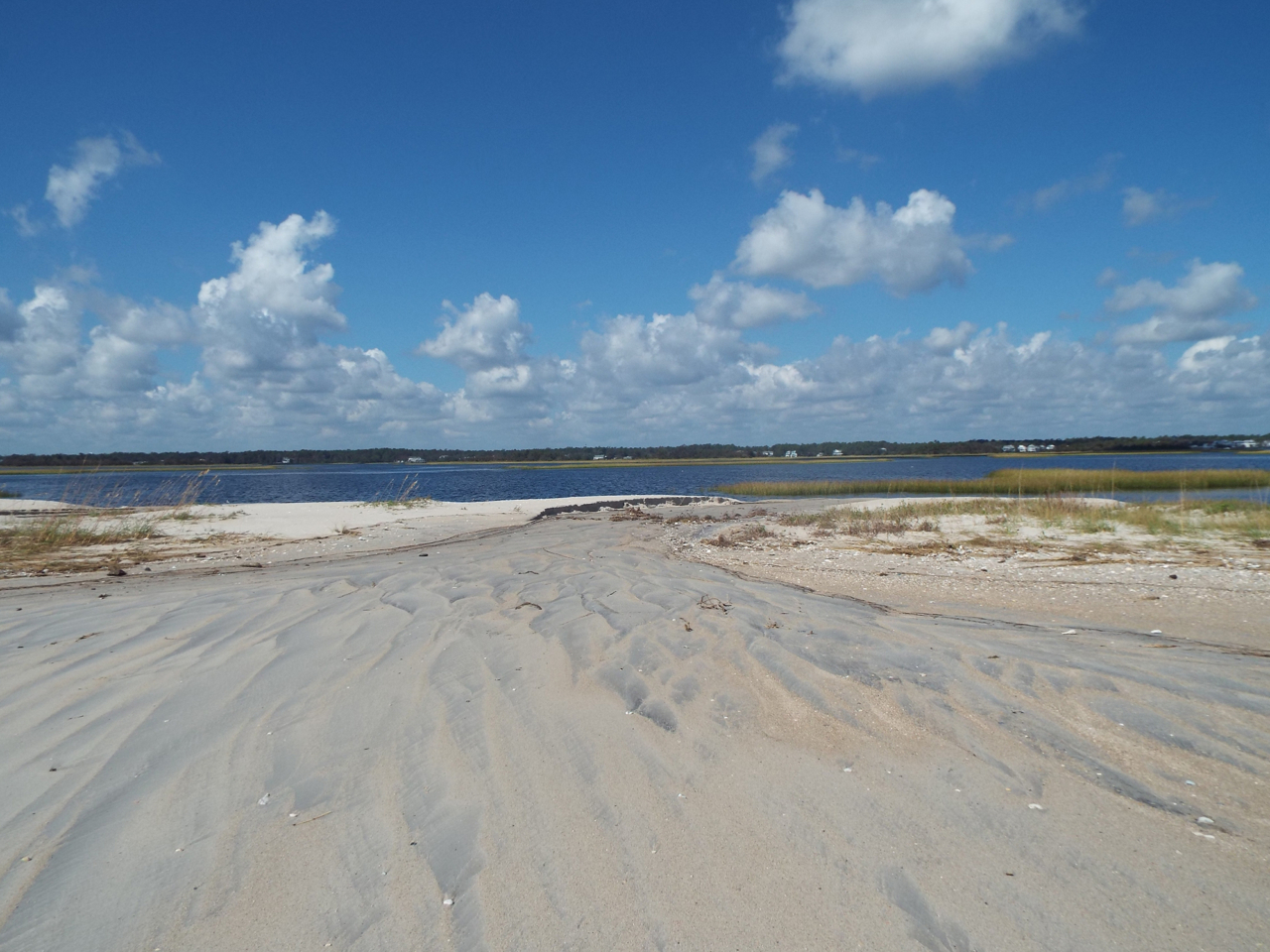
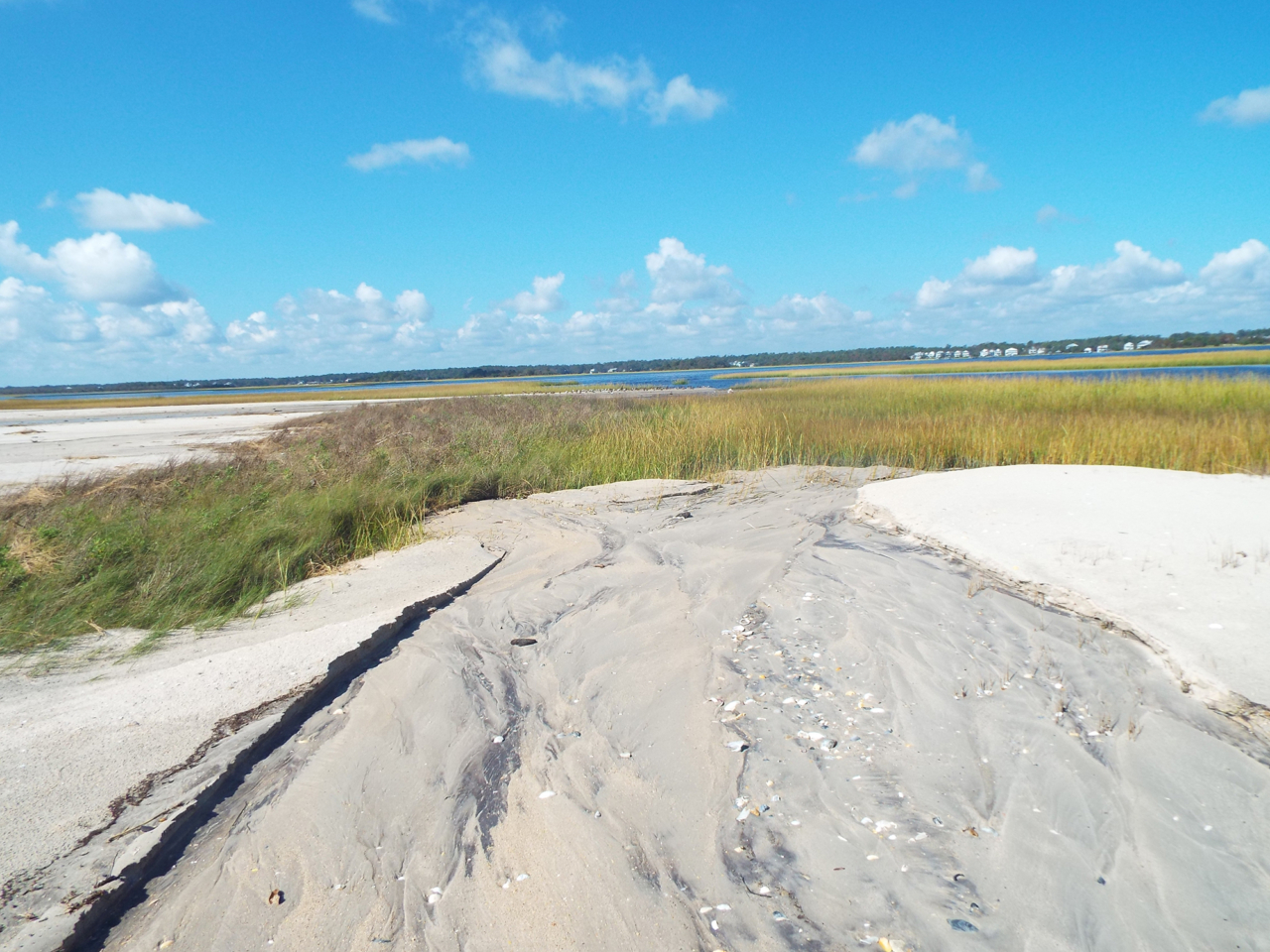
Photos courtesy of NC DEQ
Become a participant by joining the C-CoAST Network.